

For a so-called crisis, the “truck driver shortage” is surprisingly recent. Before 2000, the term barely showed up in industry publications or mainstream news.
It starts making noise in the early 2000s, gains some traction between 2001 and 2005, then quietly fades into the background during the recession. But around 2012, the narrative comes back louder and far more persistent.
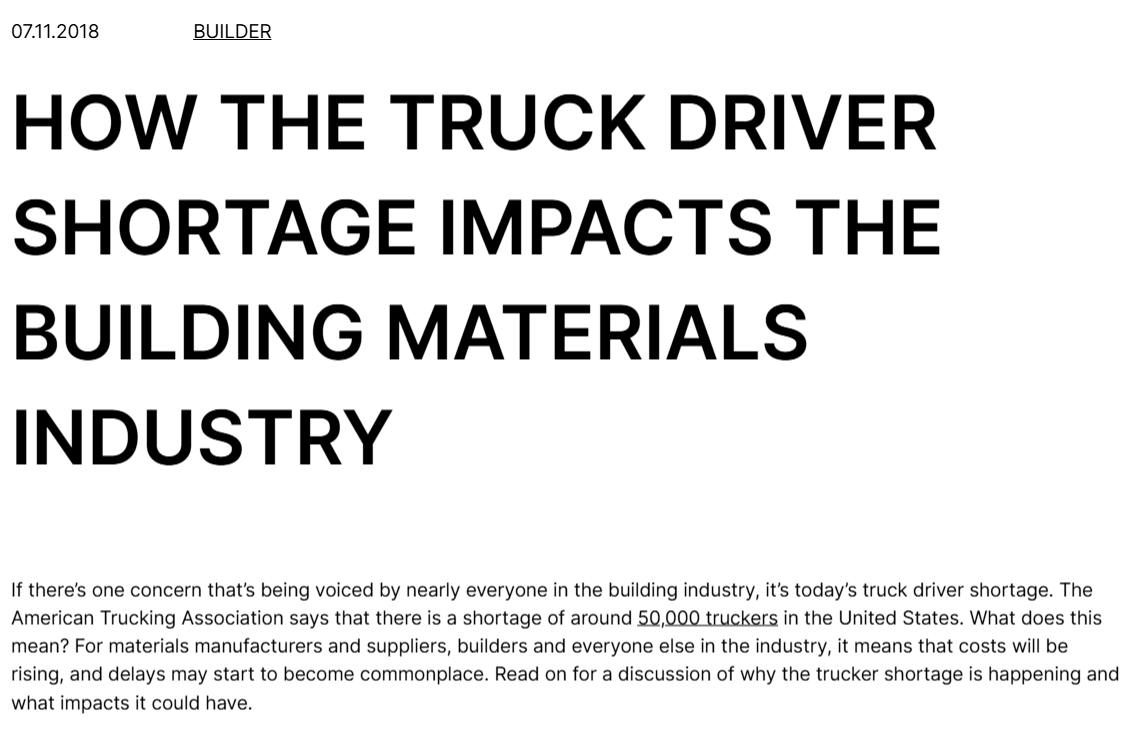
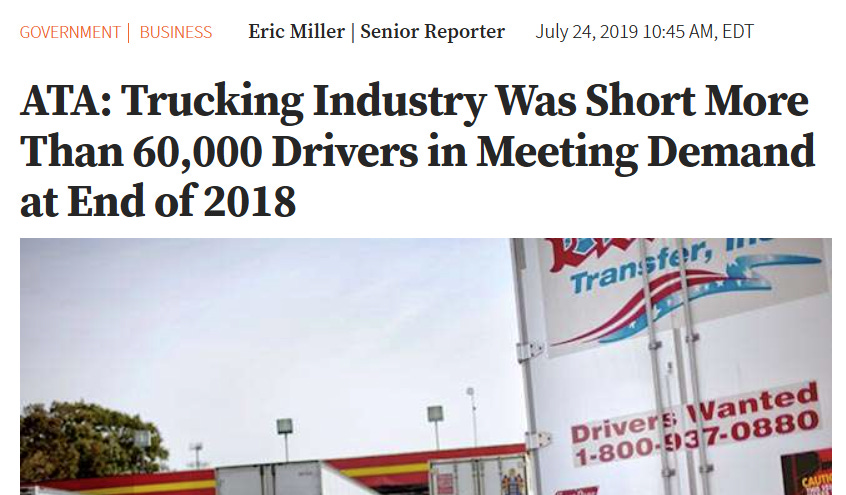
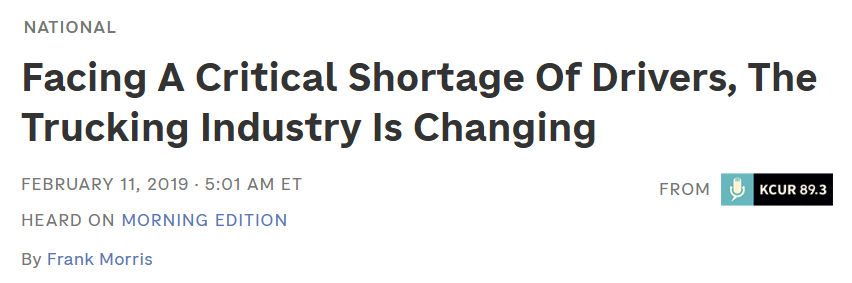
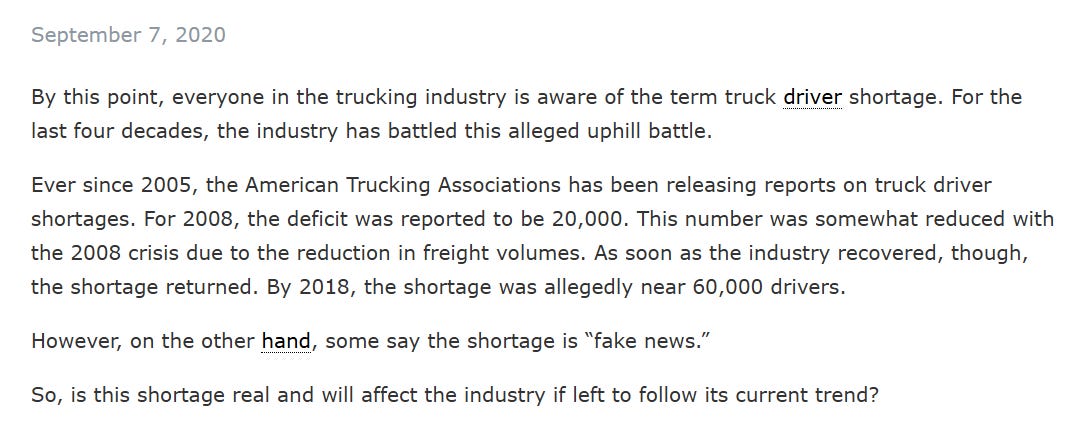
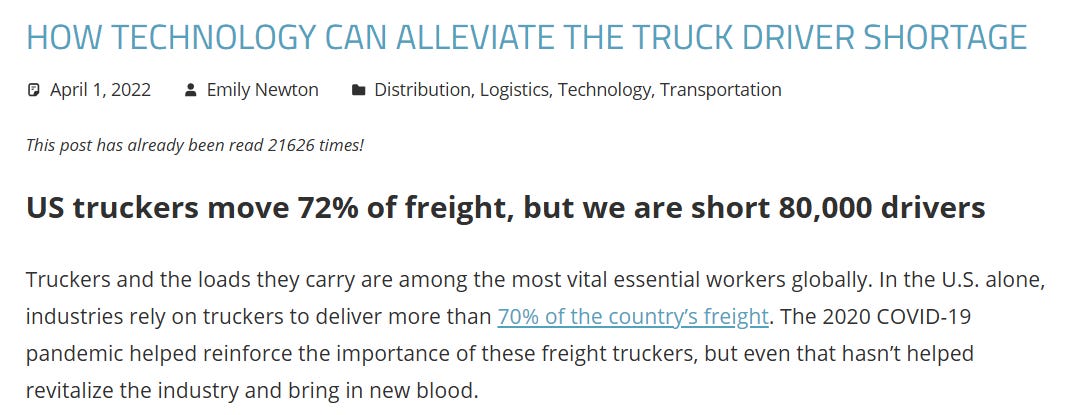
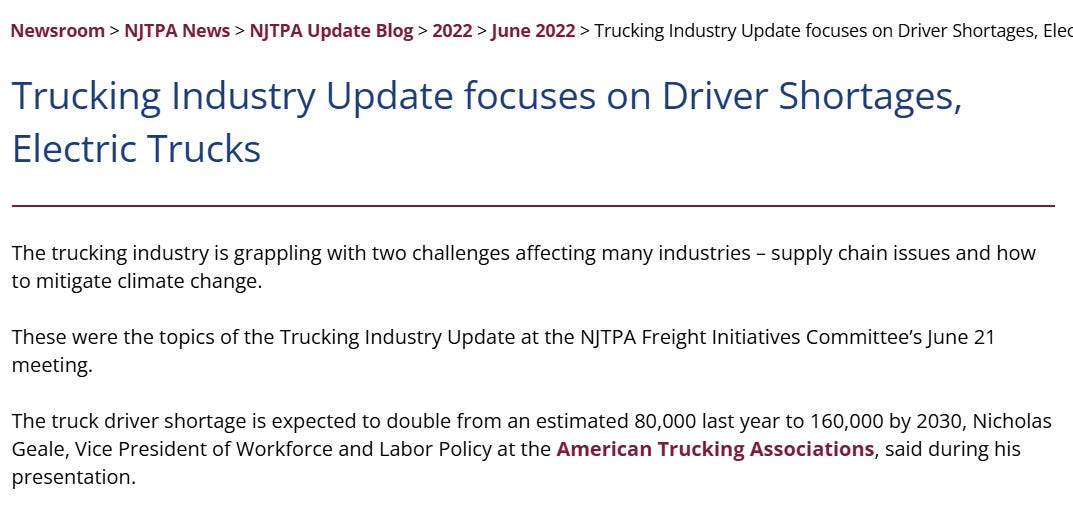
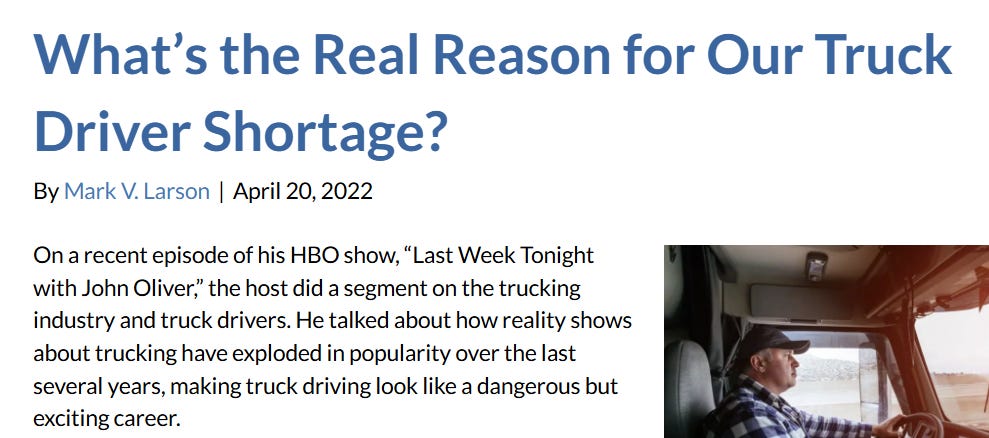
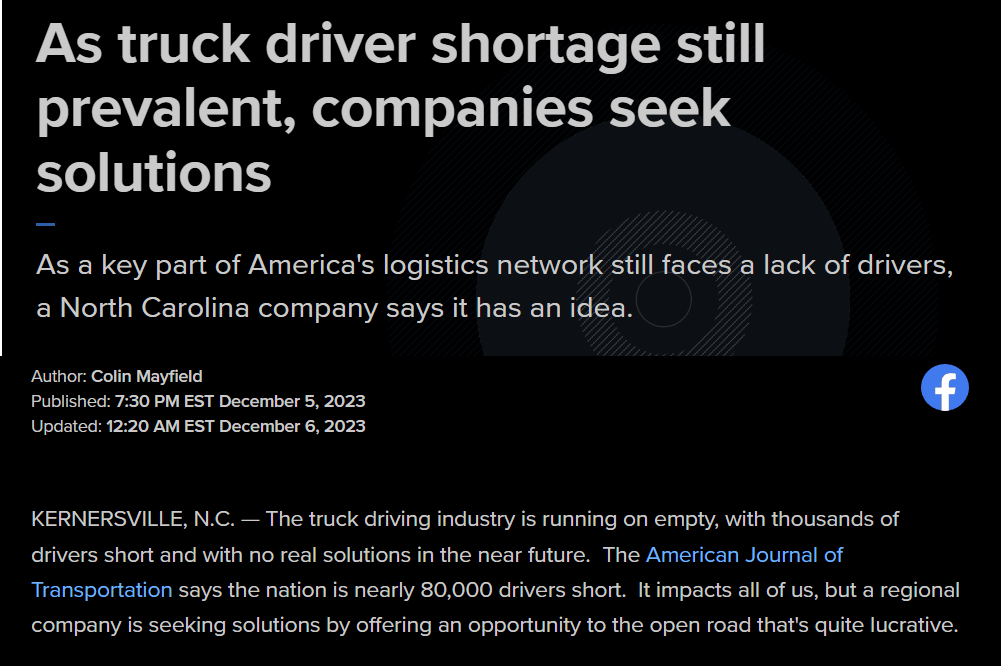
As you'll notice, the “shortage” narrative doesn’t just persist, it multiplies. With each passing year, articles become more frequent, more urgent, and more uniform in tone.
I've attempted to illustrate this trend by tracking the number of articles published each year. The pattern isn't subtle. It's a story that grows louder over time, regardless of whether the facts back it up.
1987
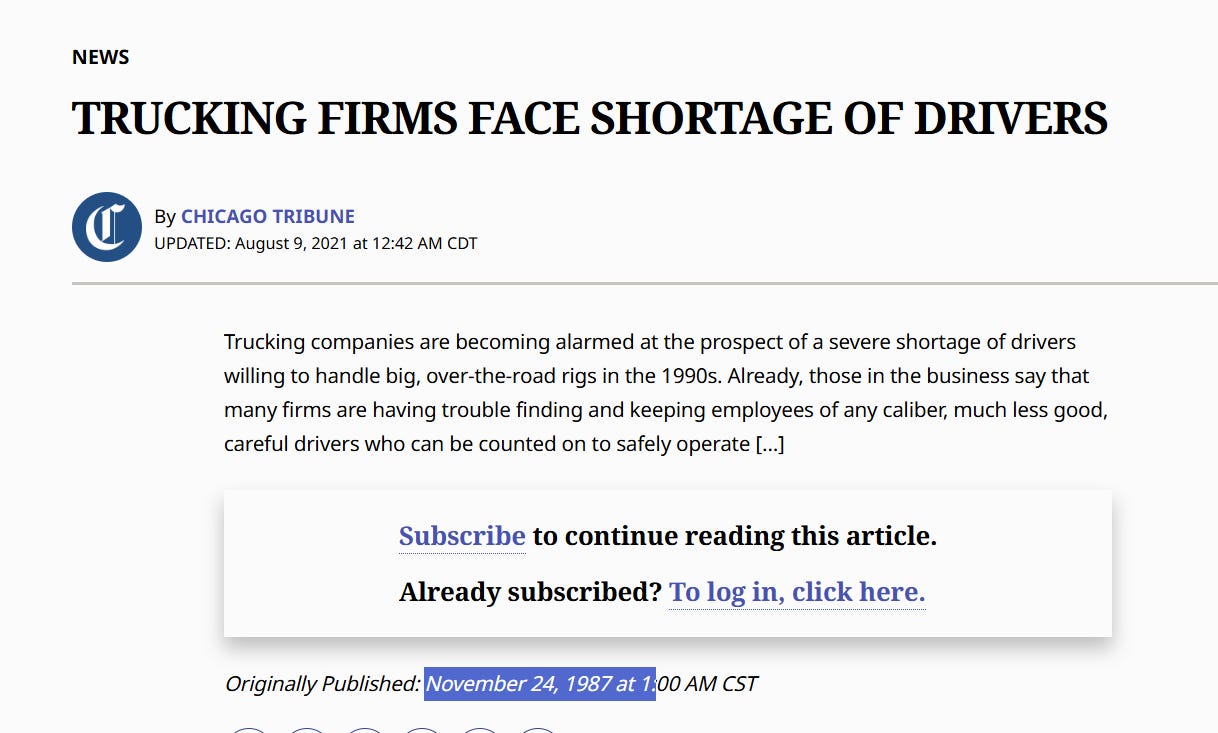
1997

1998
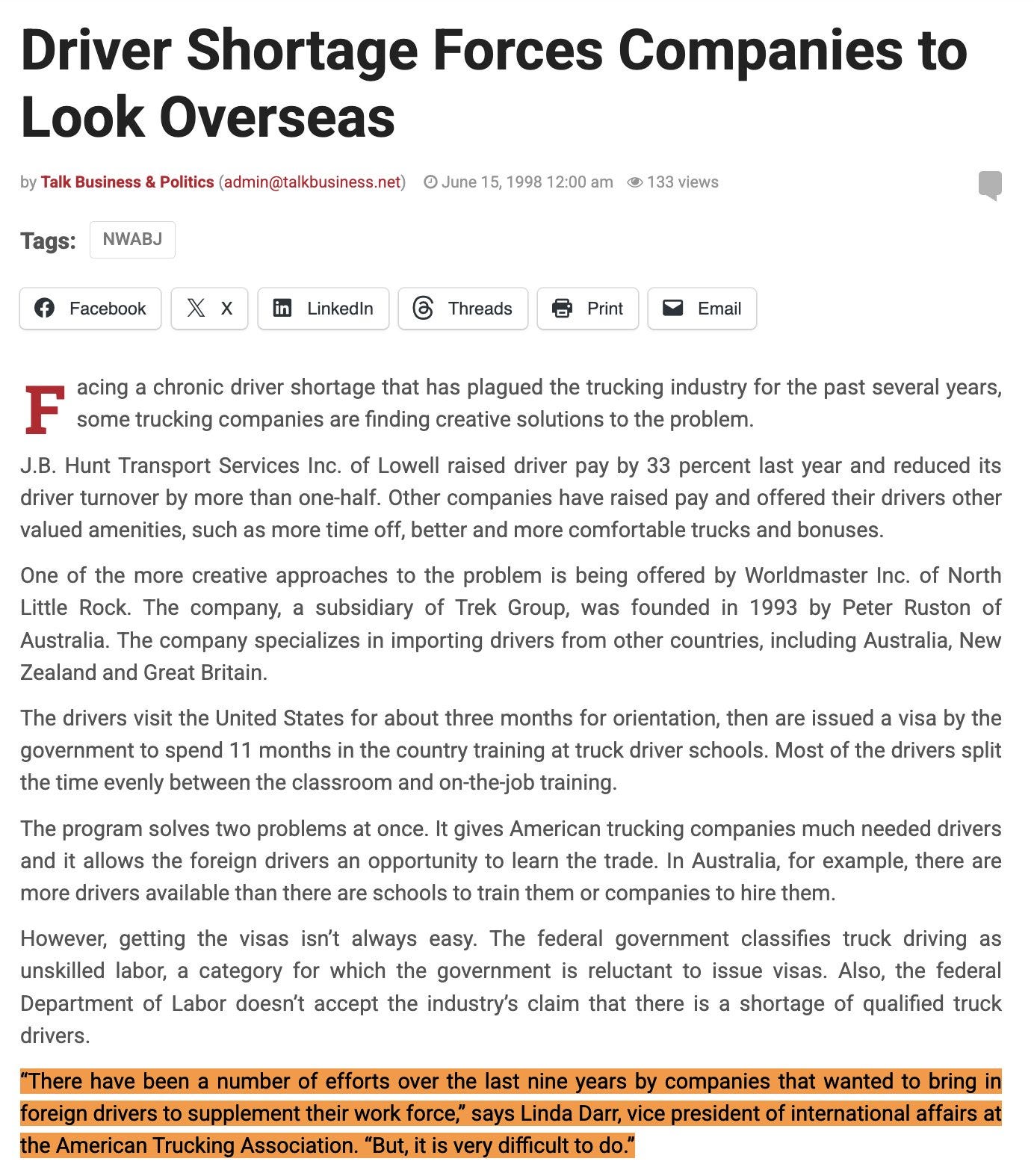
2001
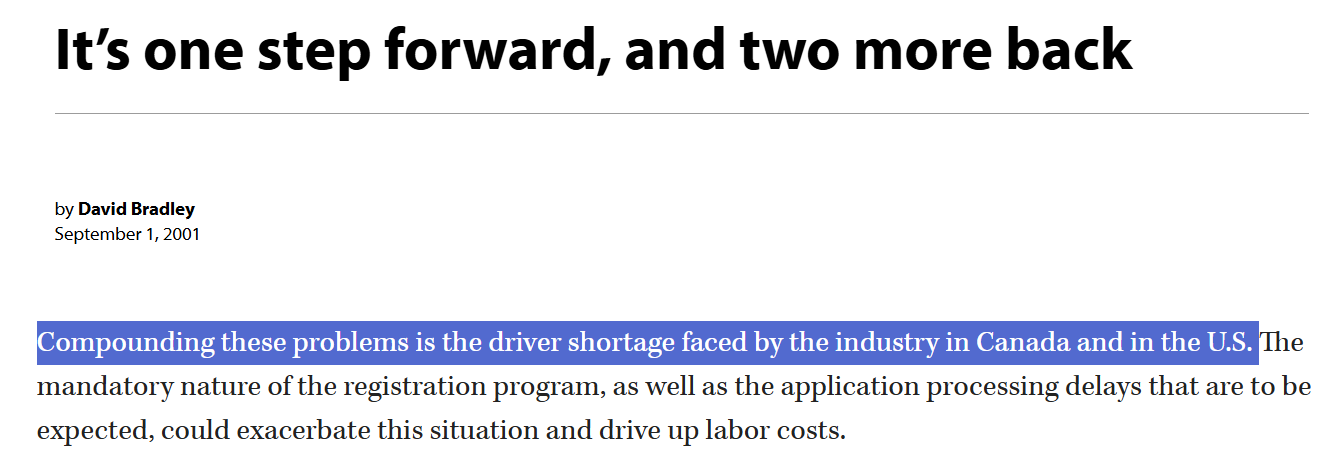
2004

2005

2006
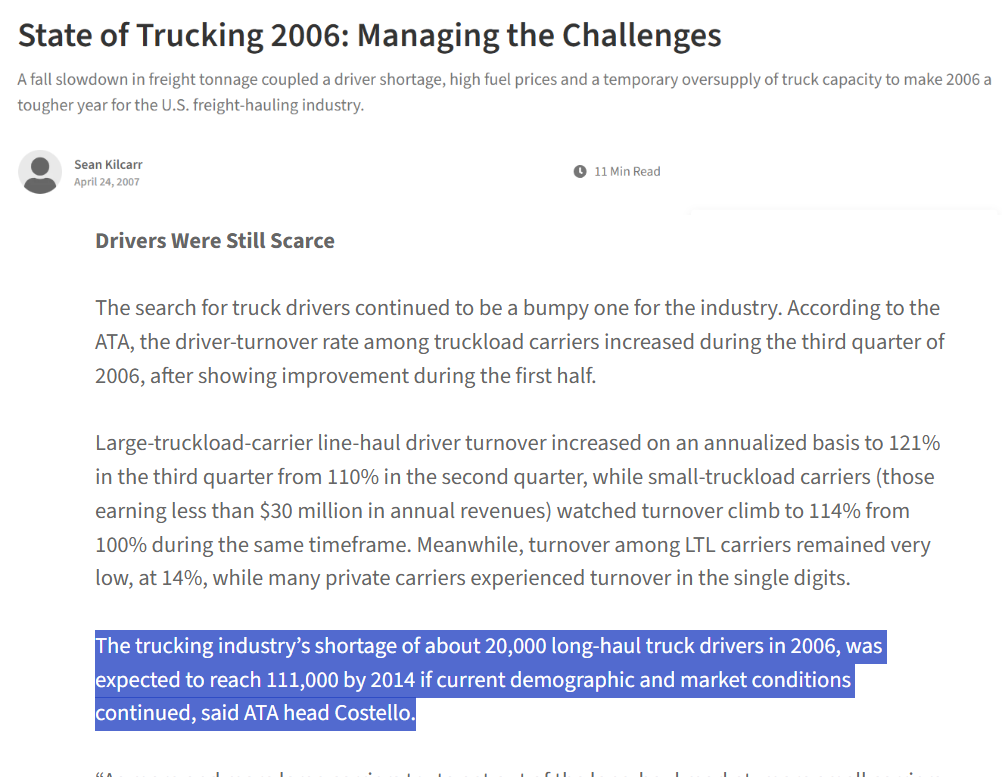
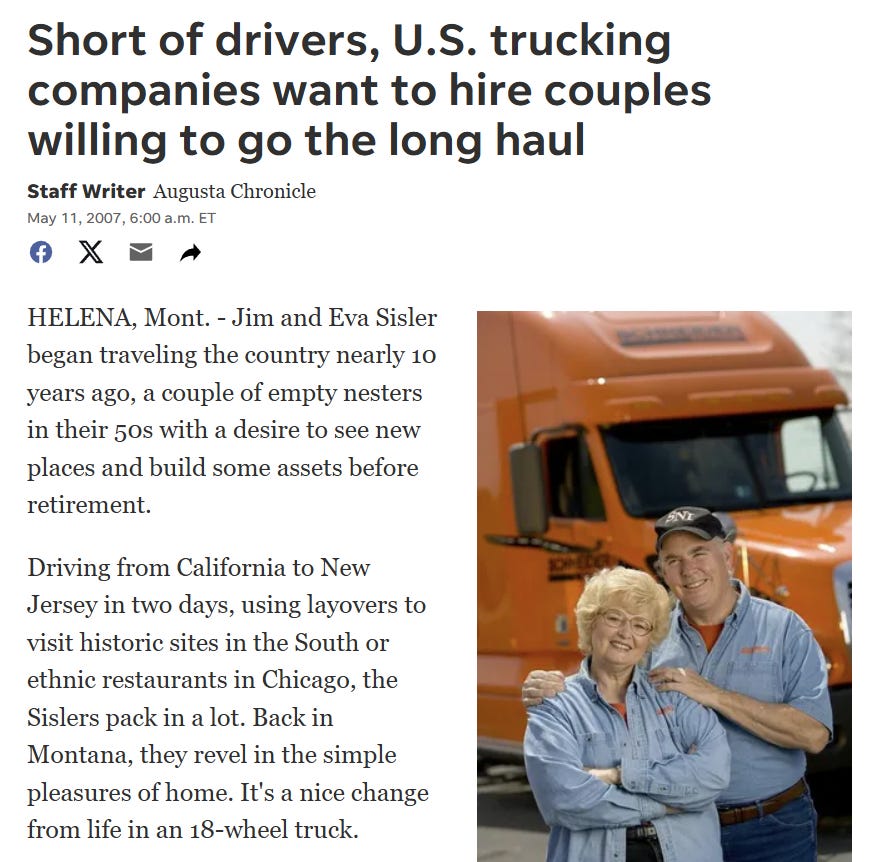
2007
This is the year of the most wholesome solution. Probably unrealistic for most, but wholesome.
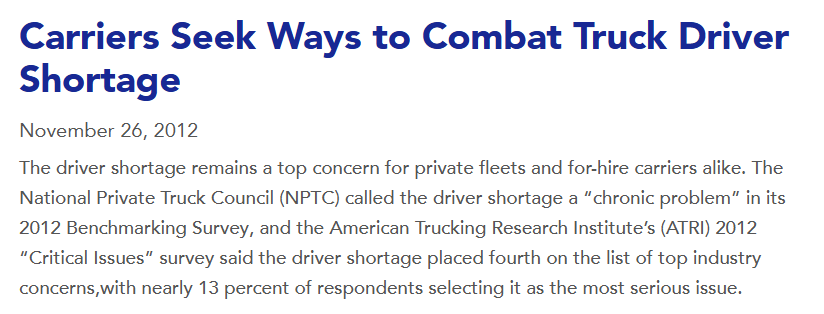
2012

2013

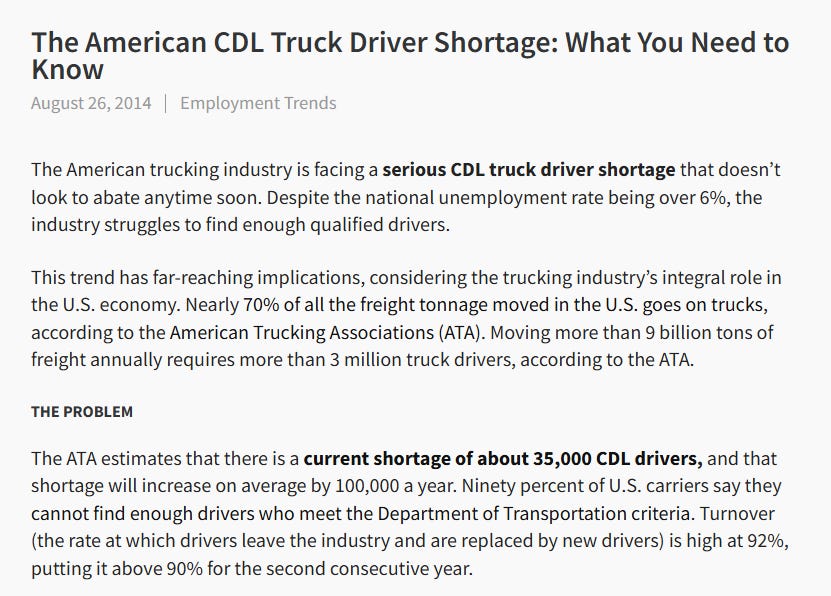
2014
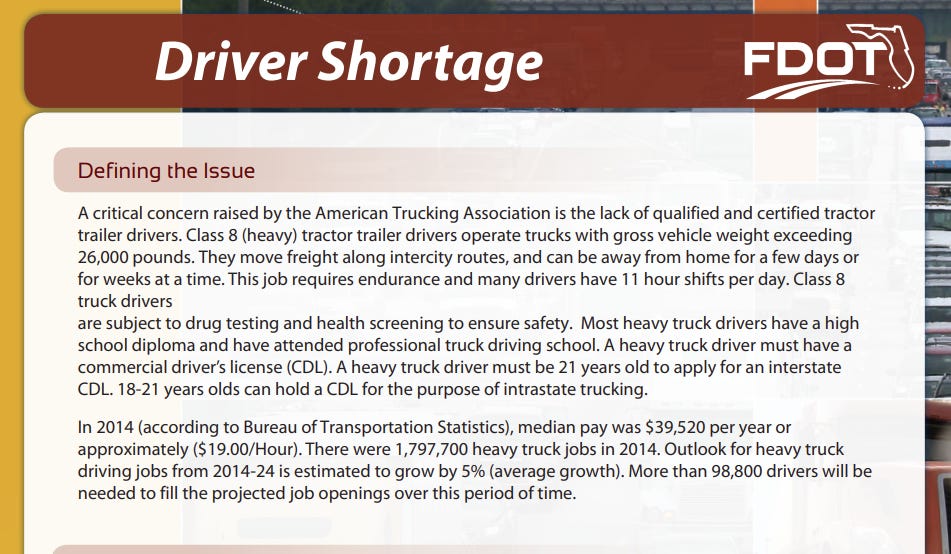
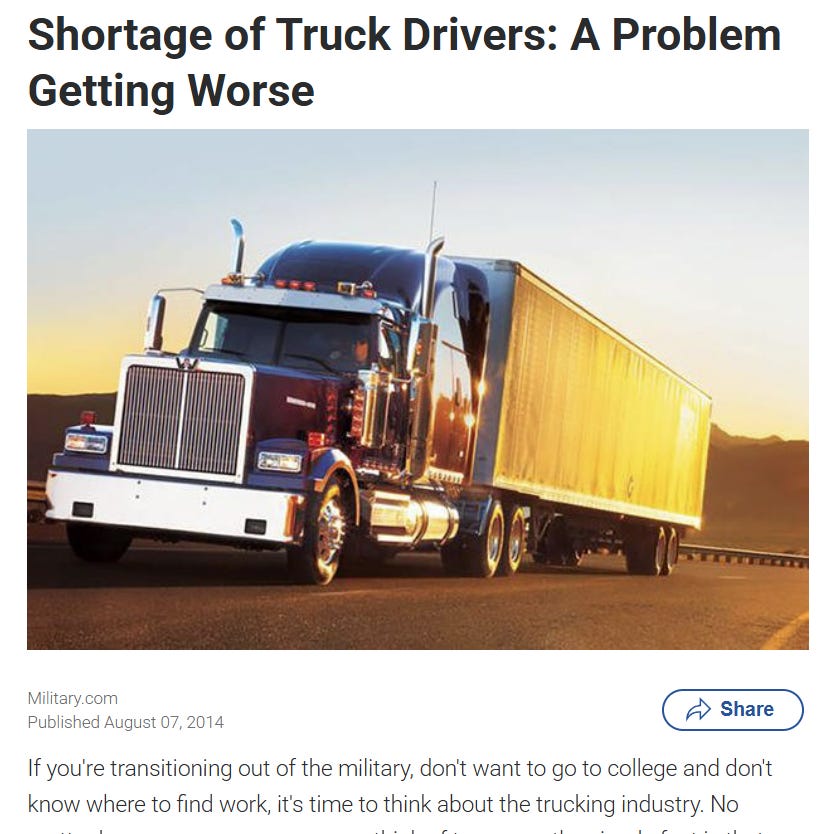
2015
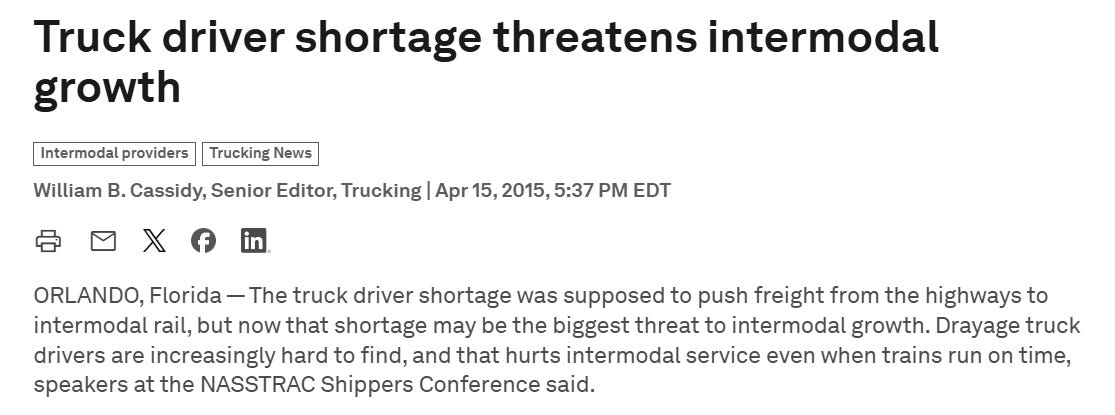
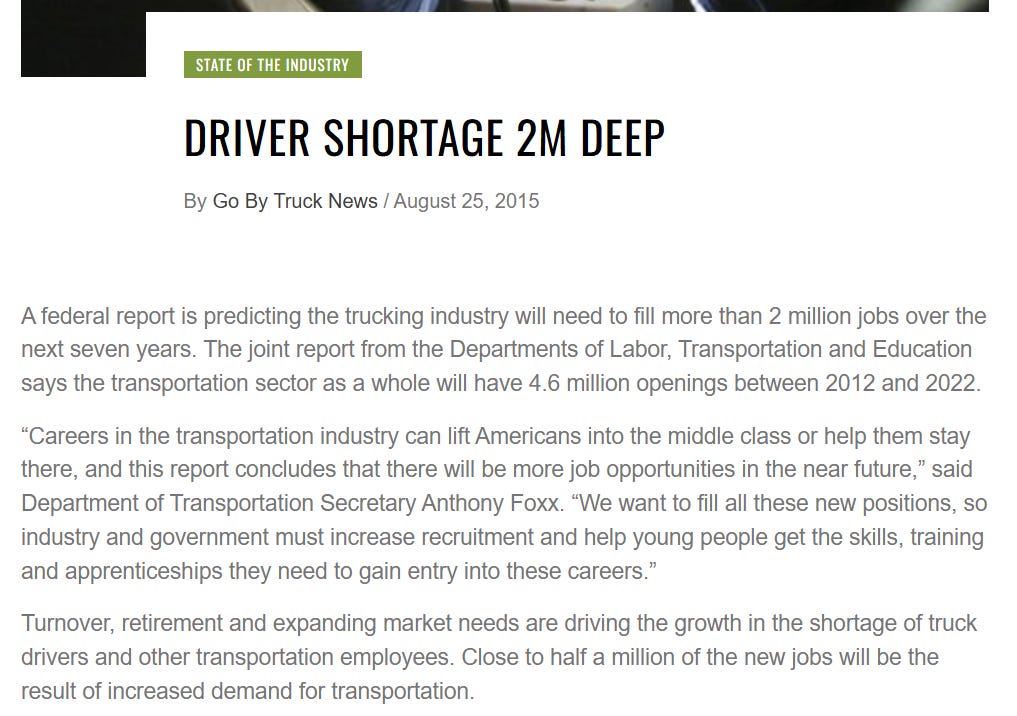

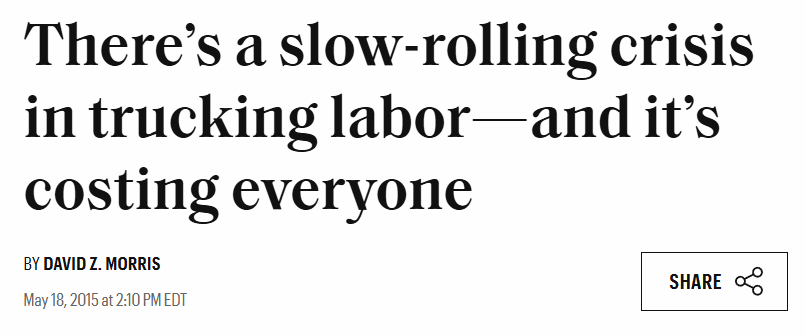

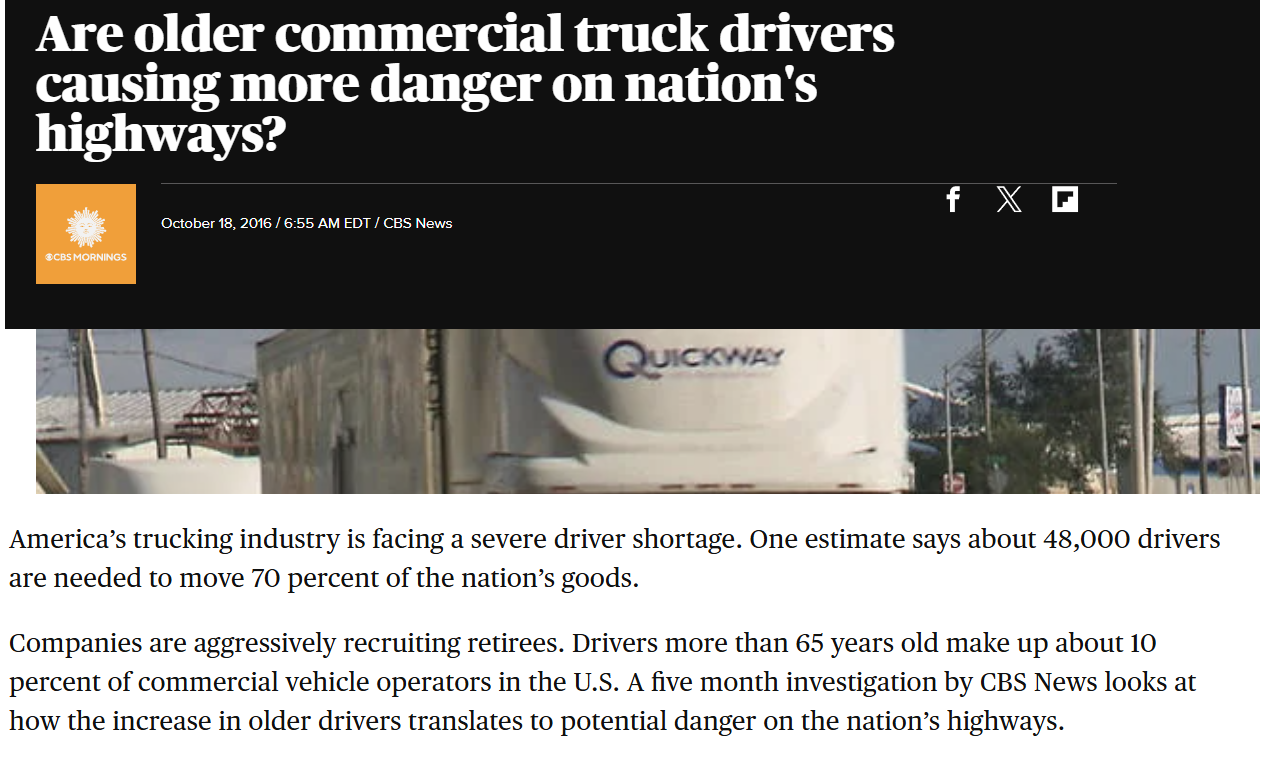
2016
For the record, I do not like this messaging.
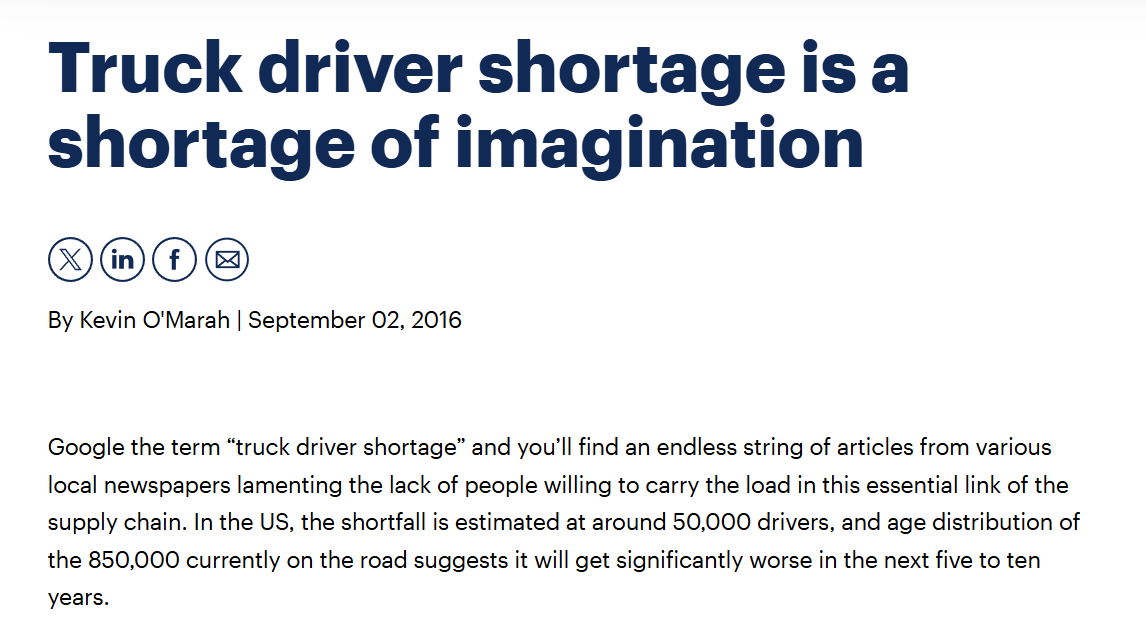


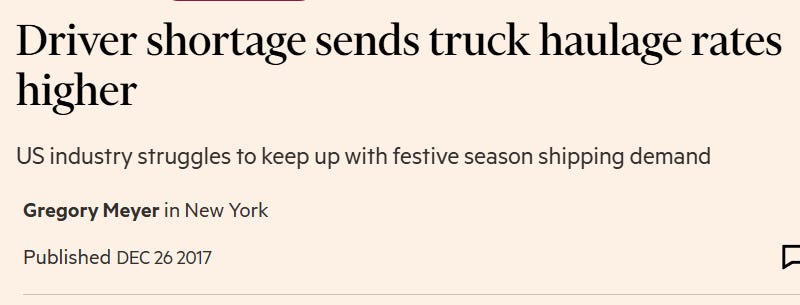
2017


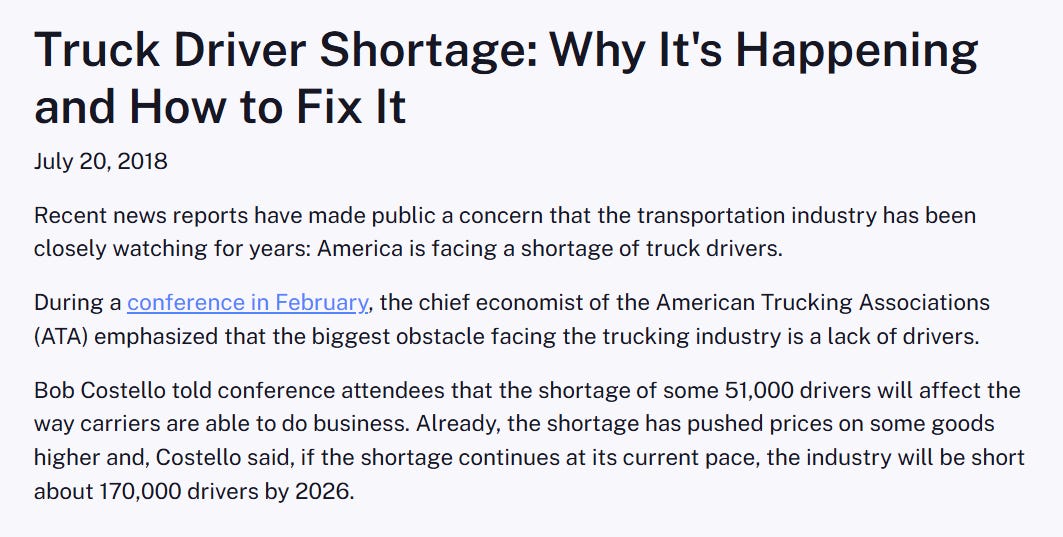
2018






2019
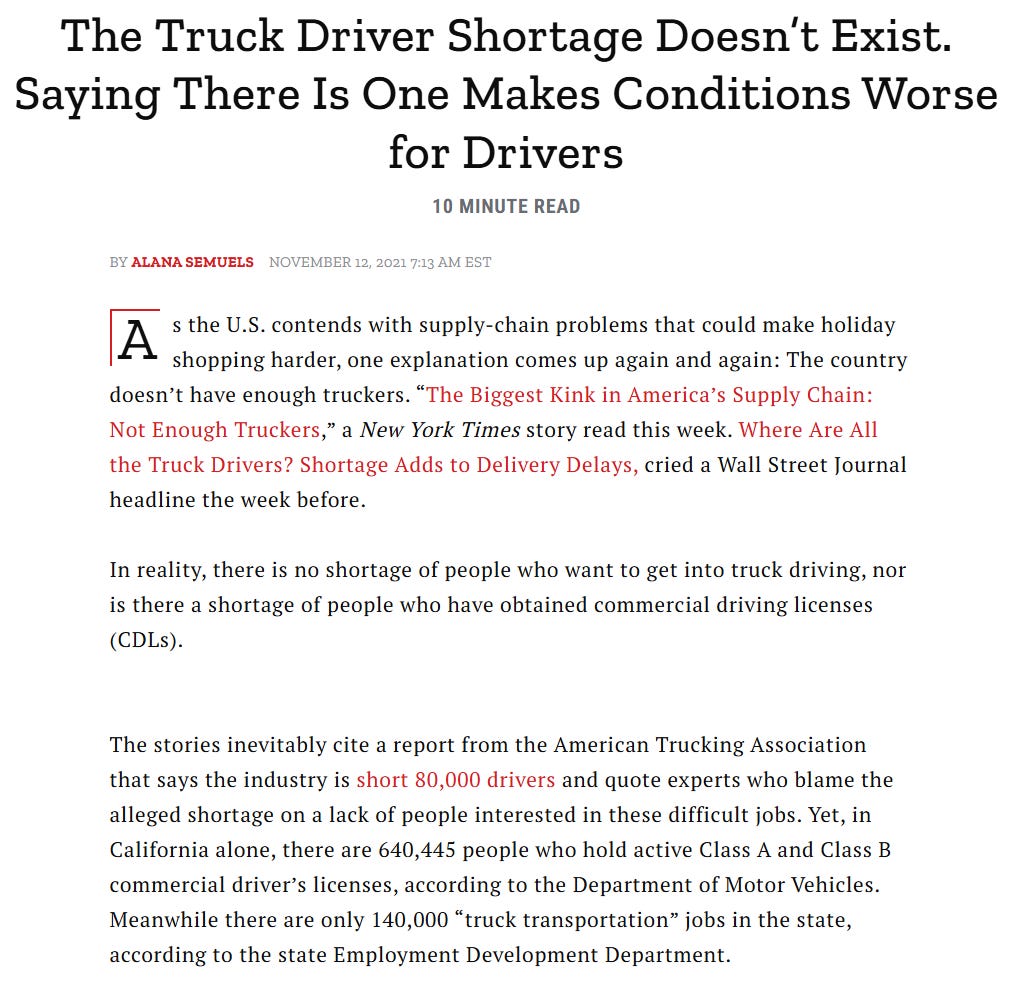
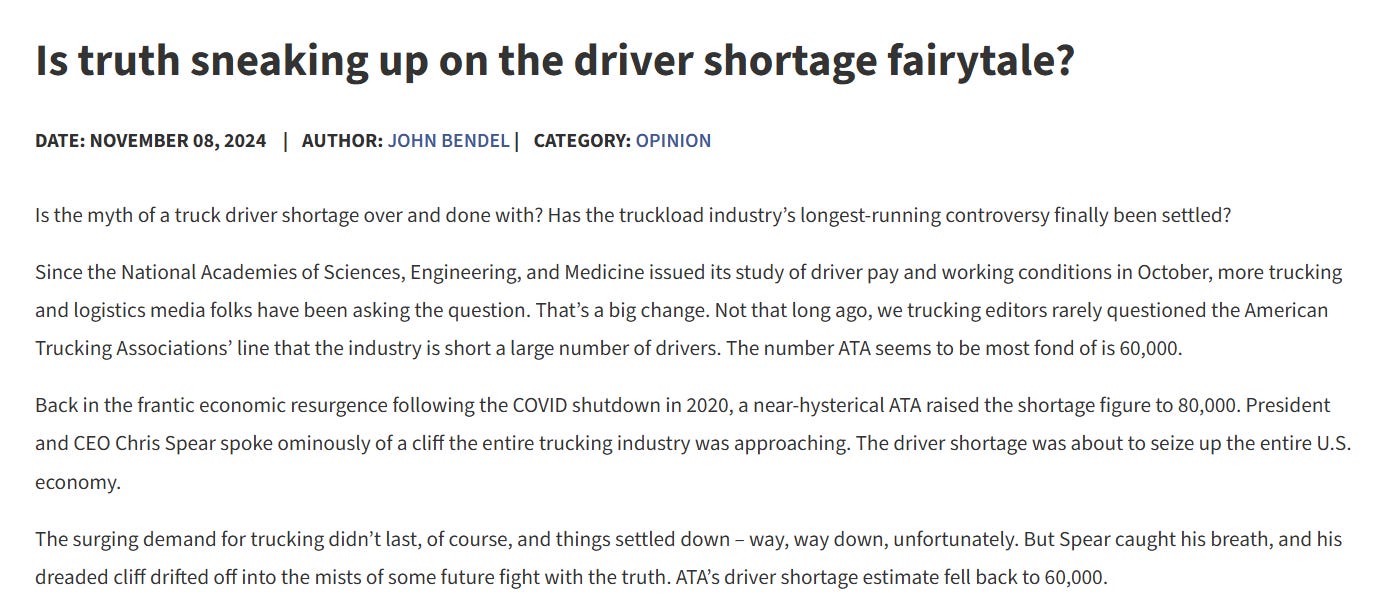
2019 appears to be the year skeptics began to gain traction. Before that, there were few, if any, published articles challenging the truck driver shortage narrative.


2020




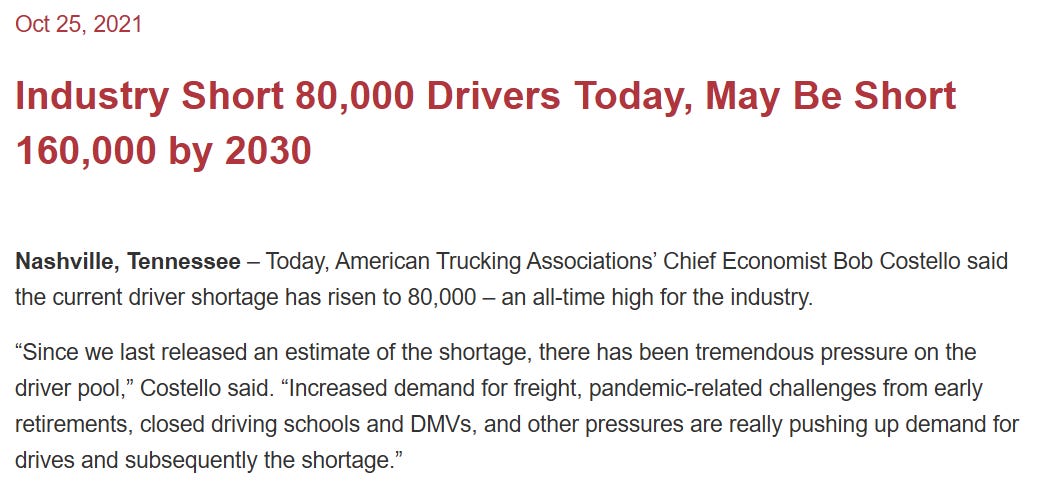
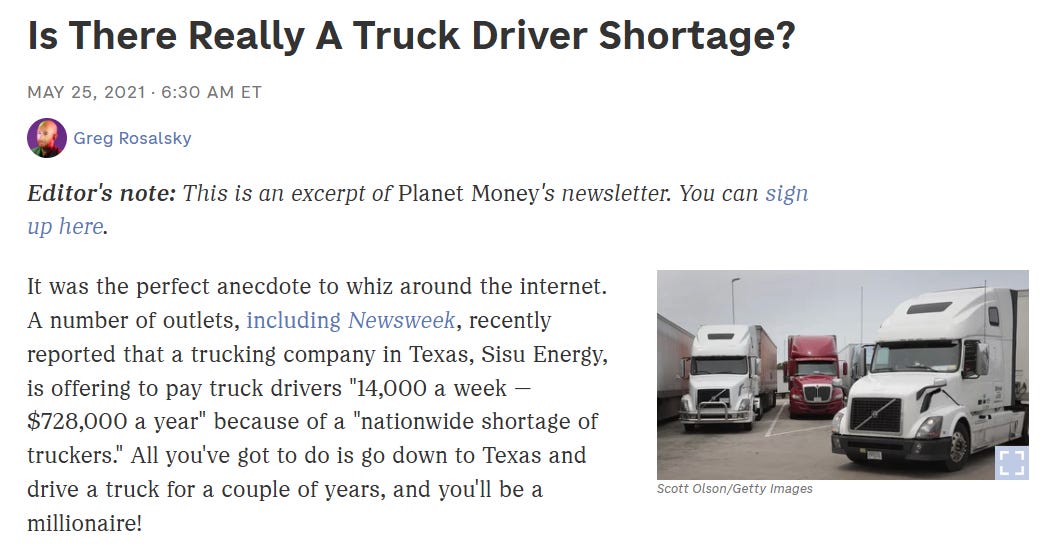
2021



2022
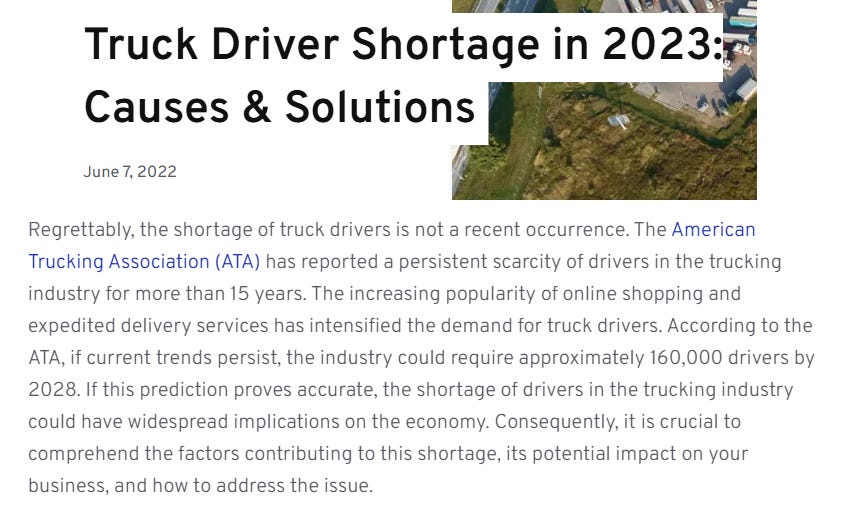



2023



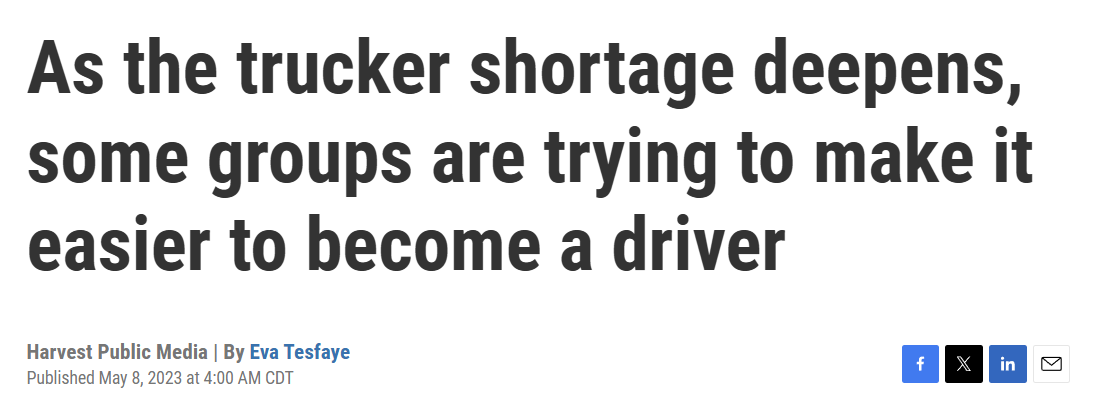
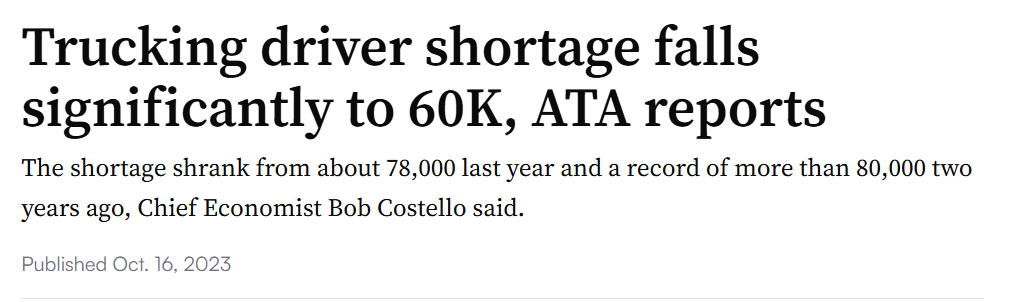


2024

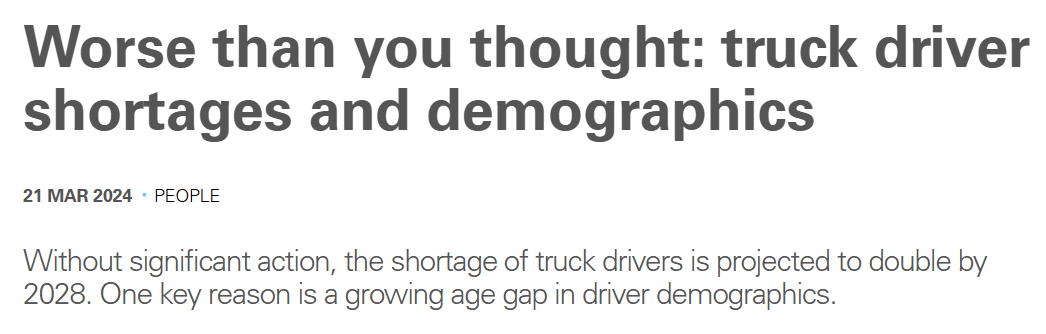


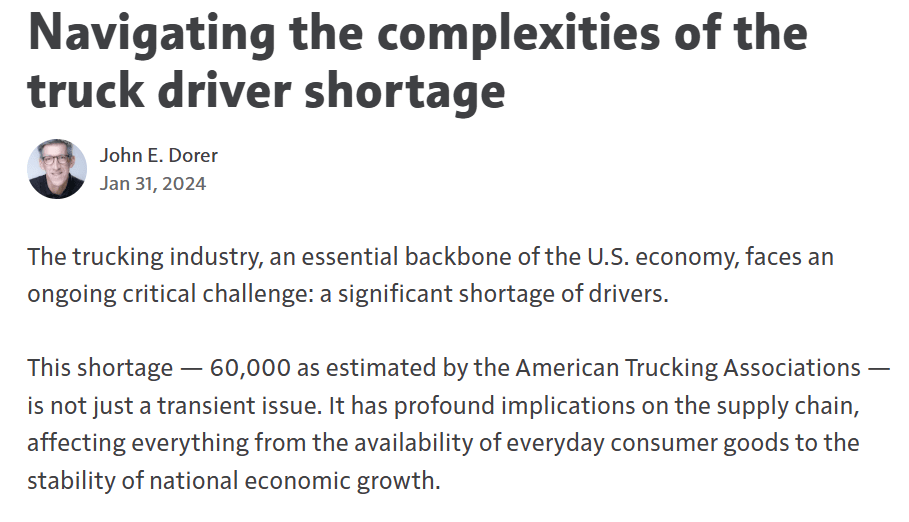
2025
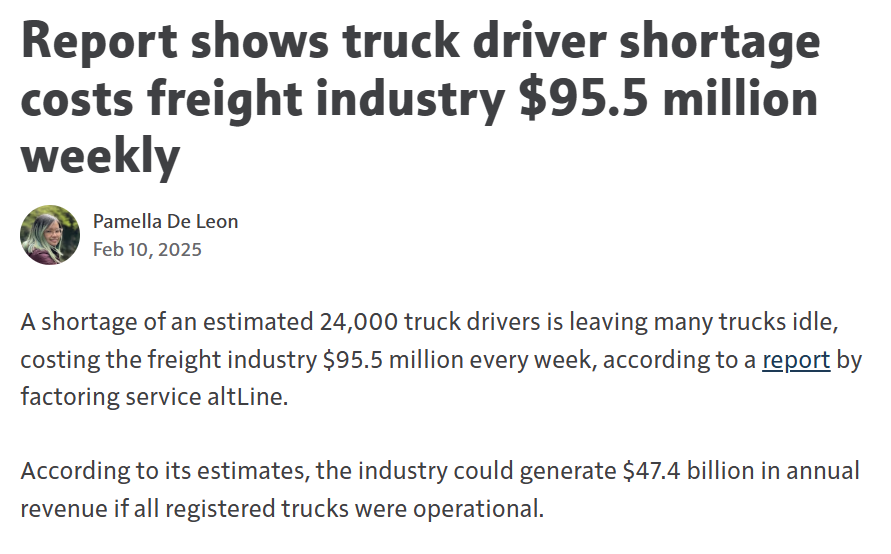
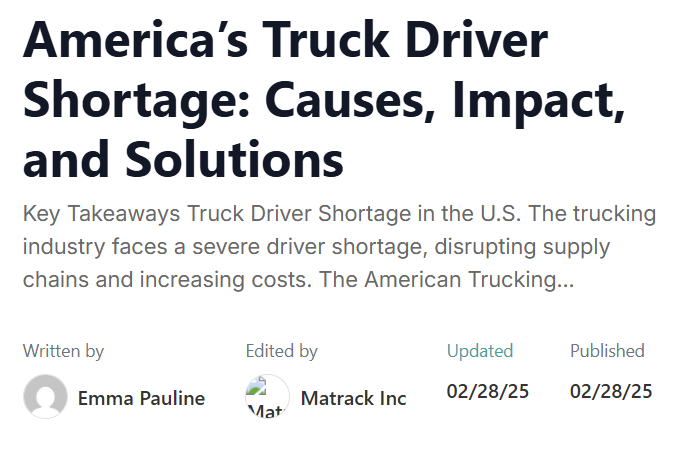

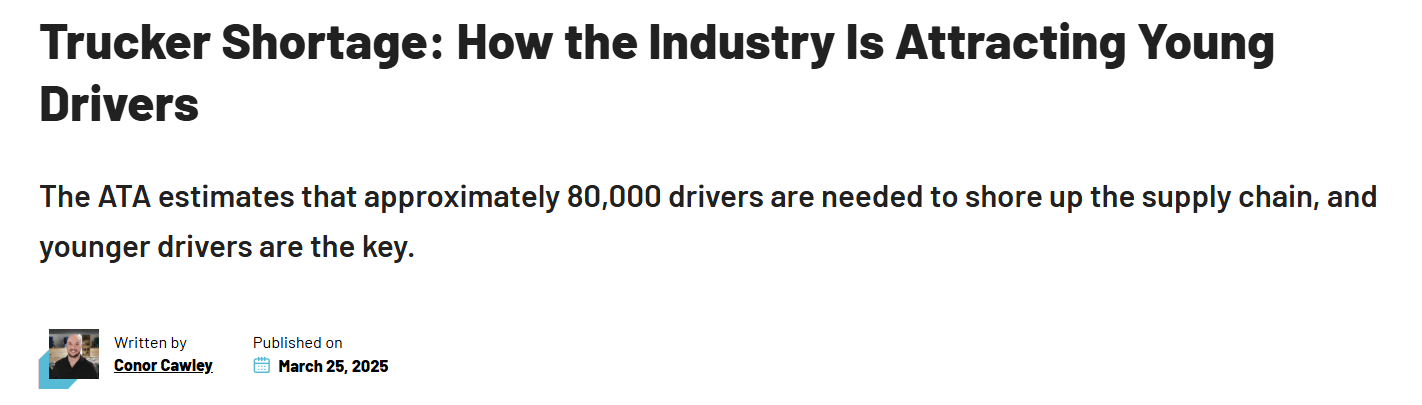


The truck driver shortage story has been repeated for decades, but repetition doesn’t make it accurate. It’s not a labor crisis. It’s a narrative. A fairy tale. Clickbait. Rage bait. A blatant lie.